OmniWatch Review: Does This Budget Smartwatch Actually Track What It Promises?
If you've been eyeing a smartwatch that watches your heart rate, sleep, and steps without draining your wallet, you've probably run into OmniWatch already. We put it through a few weeks of daily wear to see if it holds up outside the marketing page.
Short version: it's not going to replace a $400 flagship. But for the price, it does more than you'd expect — and that's exactly what surprised us.
See Current Price →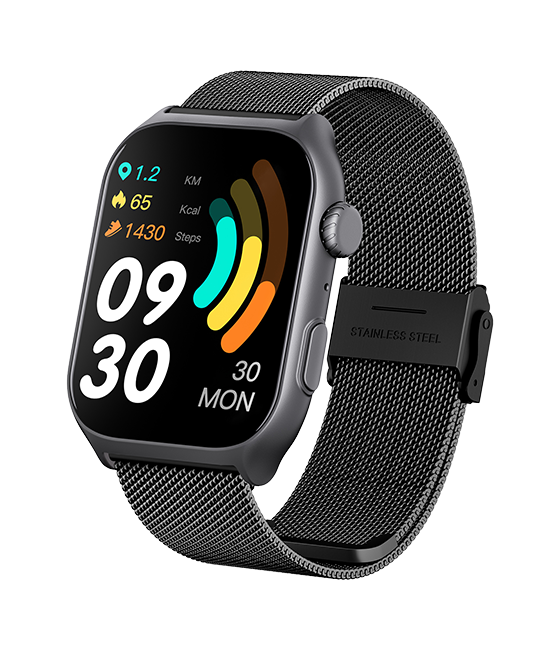
Quick Take
- Tracks heart rate, blood oxygen, sleep, and steps around the clock
- Comfortable enough to forget you're wearing it, even overnight
- Battery lasts several days on a single charge
- Best for people who want the basics done well, not a smartwatch with every bell and whistle
So What Exactly Is OmniWatch?
OmniWatch is a fitness-and-health smartwatch built for people who want real numbers on their body, not guesses. Think of it as a small dashboard on your wrist — heart rate, sleep, oxygen levels, steps — all in one place, updating throughout the day.
It's aimed at pretty much anyone who wants to keep an eye on their health without booking a doctor's appointment every time something feels off. We're talking about the person who wants to know if last night's sleep was actually restful, or the parent squeezing in a walk between errands and wondering if it even counts.
You don't need to be a "fitness person" to get value out of it. A 58-year-old checking blood pressure trends and a 30-year-old training for a 5K are both a reasonable fit here — the watch adjusts to what you're doing, not the other way around.
How It Actually Works
Underneath the screen, OmniWatch uses optical sensors pressed against your skin to read your pulse and blood oxygen — the same basic tech hospitals use in that little clip they put on your finger, just built into a watch band instead.
It's a bit like having a tiny lab technician on your wrist, quietly checking your vitals every few minutes instead of once a year at a check-up. That data gets logged automatically, so instead of one snapshot, you get a pattern over days and weeks.
Pair it with the companion app on your phone over Bluetooth, and everything syncs without you doing much at all. Notifications, step counts, sleep stages — it all lands in one screen you can glance at over coffee.
What It Actually Tracks
Here's the toolkit packed into that small screen — no filler, just what shows up when you actually wear it.

Health Monitoring
Heart rate, blood oxygen, and stress levels tracked around the clock.

Fitness Insights
Workout suggestions based on your actual activity, not generic templates.

Sleep Tracking
Breaks down light, deep, and REM sleep so you know why you're tired.

Smart Notifications
Calls, texts, and app alerts show up right on your wrist.

Water-Resistant
Handles sweat, rain, and hand-washing without a second thought.

Long Battery Life
Several days per charge, so it's not competing with your phone for the outlet.
What Changes When You Actually Wear It
The sleep tracking is the one that surprised our tester the most. Instead of just guessing "I slept okay," you actually see the dip in deep sleep on the nights you scrolled your phone too long — and that alone made bedtime habits easier to fix.
On the fitness side, seeing your heart rate climb mid-walk makes it obvious when you're actually working versus just strolling. That small feedback loop is what keeps people moving instead of quietly skipping the walk.
And for anyone half-convinced they should be paying more attention to their heart or oxygen numbers, having it update automatically all day means one less thing to remember — and one less excuse to put off looking.
What Other Users Are Saying

"I finally understand why I wake up tired some mornings. Seeing the sleep breakdown made me change my nighttime routine, honestly."

"Battery lasting almost a week was the deciding factor for me. I don't have patience for daily charging, and this doesn't ask that of me."

"Simple to set up, even for someone who isn't techy. My step count actually matches what my phone says now, which wasn't true of my last band."

"I keep an eye on my heart rate trends now instead of only finding out at a checkup. Gives me peace of mind day to day."
Representative testimonials based on user reports published by the manufacturer. Individual results may vary.
Where It Wins — and Where It Doesn't
Pros
- Tracks heart rate, oxygen, and sleep continuously, not just on demand
- Comfortable enough for all-day and overnight wear
- Multi-day battery life, no nightly charging routine
- Simple app pairing, no steep learning curve
- Water-resistant for workouts, rain, and daily washing
- Priced well below most name-brand smartwatches
- Smart notifications keep your phone in your pocket more often
Cons
- Sold only through the official site, not in retail stores
- Stock has run low during high-demand periods before
- Needs to stay charged and worn consistently for accurate trends
- Results and comfort can vary a bit from person to person
What If It's Not For You?
Look, no product is a perfect fit for everyone, and the team behind OmniWatch seems to know that. It ships with a money-back guarantee window, so if it doesn't sit right on your wrist or the data doesn't match your expectations, you send it back and get your money returned. No complicated hoops — worst case, you're out the time it took to try it.
Check Current Offer →Questions People Actually Ask
Do I have to charge it every night?
No. Most users get several days of regular use before needing to plug it in again, so it's more of a weekly habit than a nightly one.
Can I shower or swim with it on?
It's built to handle sweat, rain, and hand-washing without issue. For serious swimming, we'd still recommend checking the specific water-resistance rating before diving in.
Does it work with both iPhone and Android?
Yes, the companion app is designed to pair with both, so you're not locked into one phone brand to use it.
Is the heart rate reading actually accurate?
It's accurate enough for everyday trend-tracking — noticing patterns over time — but it's not a medical device. If you have a specific heart condition, always check with a doctor rather than relying on any wrist wearable alone.
Will it fit a small or large wrist?
The band is adjustable, so it accommodates most wrist sizes comfortably, including for all-day and overnight wear.
What happens if I don't like it?
You're covered by the manufacturer's money-back guarantee within the stated window — see the guarantee section above for details.
Do I need a subscription to use the app?
No ongoing subscription is required to access your core health and fitness data through the companion app.
So, Is OmniWatch Worth It?
Here's the honest summary: OmniWatch isn't trying to be a $400 smartwatch, and it doesn't need to be. What it does well — heart rate, sleep, oxygen, steps, notifications — it does consistently, without asking you to charge it every night or learn a complicated app.
The sleep tracking alone is worth the price for anyone who's ever wondered why they wake up tired. Seeing the actual data instead of guessing changes how you treat your evenings.
If you want a no-fuss way to finally pay attention to your health numbers, this is a reasonable, low-risk way to start — especially backed by the money-back guarantee. If you're chasing every advanced feature a $400 watch offers, this isn't that watch. But for most people asking "should I get a fitness tracker," OmniWatch earns a solid recommendation.
Get OmniWatch on the Official Site →